Selling an oceanfront condo in Palm Beach should feel strategic, not stressful. You want premium results, minimal disruption, and a plan that respects your privacy. This checklist gives you a proven framework tailored to Palm Beach condos so you can launch with confidence, attract qualified buyers, and protect your interests at every step. Let’s dive in.
Understand the Palm Beach market
Palm Beach oceanfront inventory is niche, and small differences move the needle. Buyers value direct oceanfront versus ocean view, floor level, private elevator access, dedicated parking, private terraces, and building amenities. The most persuasive comparable sales are in the same building, on the same line or stack, and price per square foot is the key metric.
Season matters. Peak demand runs roughly November through April. Listing during this window typically brings more qualified traffic. Off season can still work if you prefer a controlled, off-market rollout to maintain privacy.
Expect a diverse buyer mix that can include domestic seasonal residents, second-home buyers, select investors, and international buyers from Latin America and Europe. International reach and polished presentation often improve outcomes for high-end units.
Regulatory and association rules shape timing. Florida’s Condominium Act (Chapter 718) governs resale disclosures and estoppel certificates. Many Palm Beach buildings require buyer applications, interviews, background checks, and fees. Build these steps into your schedule so you do not lose momentum later.
Get inspections and documents handled early
Fully prepared listings sell faster and with fewer surprises. Order these inspections and checks before you go live.
Pre-list inspections to order
- Structural envelope and terrace waterproofing evaluation, including slab, deck coatings, expansion joints, and drains. Top-floor rooftop membranes deserve extra attention.
- Windows and sliders review to confirm impact-rated glass where applicable, plus seals and frames for salt corrosion and leaks.
- HVAC service with documentation of recent maintenance, filters, and coil cleaning.
- Plumbing inspection for leaks, water pressure, water heater condition, and any history of slab leaks.
- Electrical panel and load capacity review, including GFCIs in bathrooms and on balconies.
- Mold and moisture screening if there is history or visible evidence.
- Termite or pest inspection if past treatments or evidence exist.
- Association systems review: reserve studies, roof timelines, elevator and mechanical maintenance records.
- Estoppel and resale compliance check to confirm assessments, litigation, and fees.
Assemble a privacy-first seller package
- Association documents: bylaws, rules, budget, reserve study, insurance certificate, last 12 months of meeting minutes, estoppel or resale certificate.
- Maintenance invoices for terrace or waterproofing work, HVAC service, window or slider upgrades, and any impact glass replacements.
- Warranties for appliances, HVAC, impact glass, or other systems.
- Floor plan and any measured drawings. For discretion, omit unit number in early sharing.
- Title and tax records, plus required property disclosures.
- Rental history if applicable for investor buyers.
- Insurance claims history, especially water or storm related.
Prioritize fixes that protect value
- High ROI: ensure sliders glide smoothly, terrace surfaces are sound, mechanicals are serviced, and finishes shine.
- Safety and insurability: remedy water intrusion, electrical hazards, or glass that does not meet building or insurer standards.
- Cosmetic versus capital: complete cosmetic projects that help photos and showings. If capital projects exist, disclose them with documentation and timelines.
Stage for the oceanfront buyer
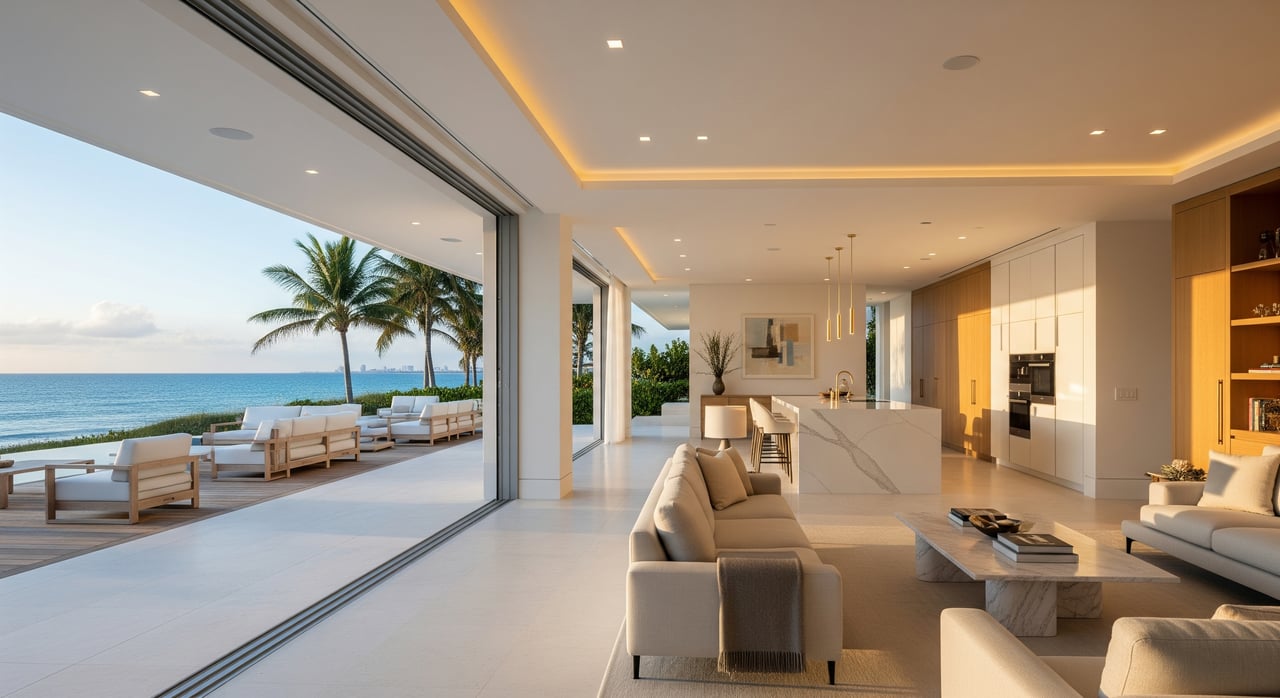
Staging should sell the lifestyle while protecting your privacy. Keep the focus on views, light, and easy indoor-outdoor living.
Staging essentials
- Declutter and depersonalize. Remove family photos, unique art, papers, and identifying items.
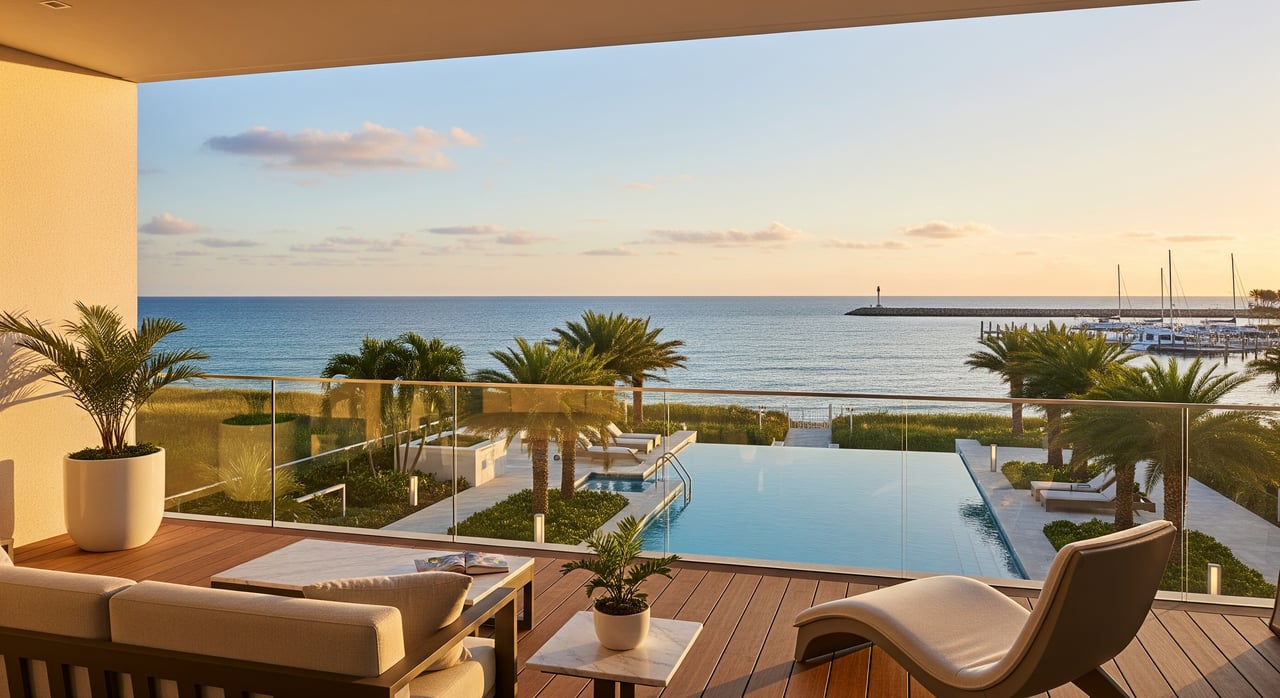
- Curate a light, airy palette with neutral furnishings and subtle blue accents to complement the view.
- Use sheers or adjustable treatments to showcase the ocean while maintaining privacy.
- Choose clean, low-maintenance flooring and rugs that suit a beach lifestyle.
Elevate the terrace experience
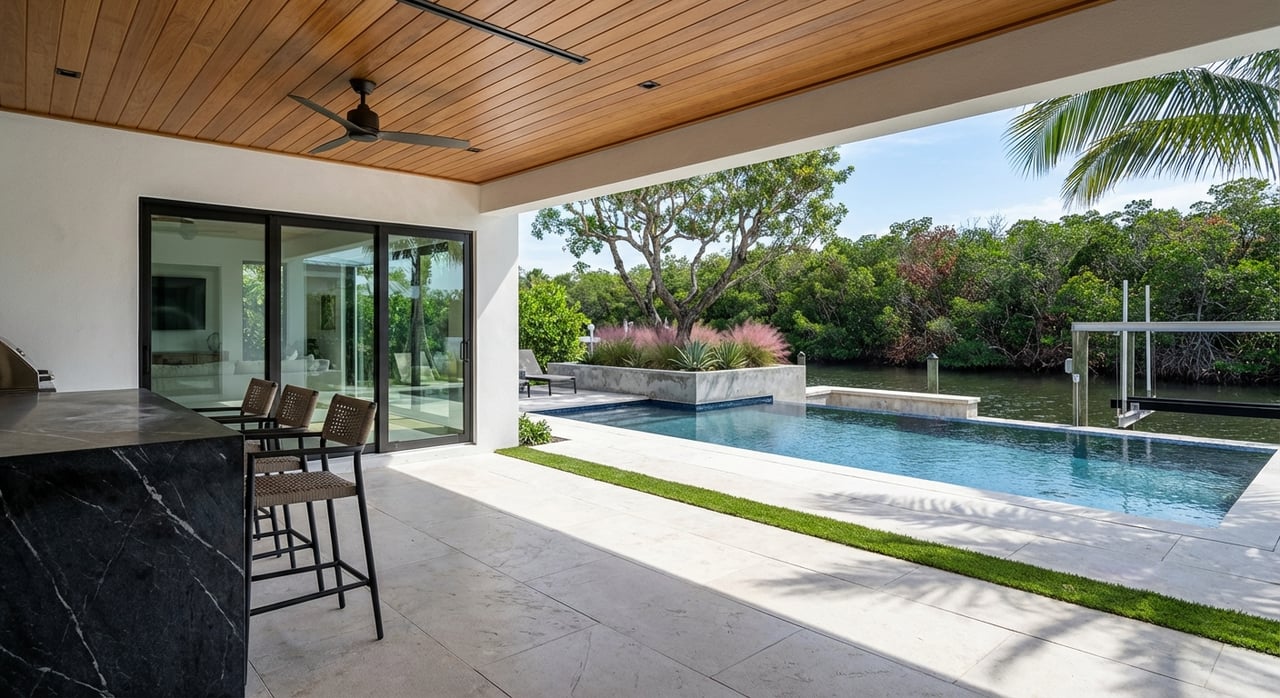
- Stage the balcony or terrace as a true living area with salt-tolerant furniture, outdoor rugs, and soft textures.
- Highlight visibility to the shoreline and easy flow from interior to exterior.
- Keep accessories tasteful and non-branded to avoid identification.
Media that protects privacy
- Hire a photographer experienced with oceanfront light. Palm Beach faces east, so morning sessions capture the best ocean glow. Twilight images can spotlight amenities and ambiance.
- Use drone photography selectively, following FAA Part 107 rules and any building restrictions. Avoid showing identifiable neighboring details.
- Provide accurate, measured floor plans. Luxury buyers expect precision.
- Offer 3D tours or guided virtual walk-throughs for vetted buyers. Keep public-facing tours limited or blurred if you prefer discretion.
- For vacant units, virtual staging is fine as long as it is clearly disclosed.
- Redact identifying details from photos, such as license plates, unit numbers, concierge name badges, and distinctive art signatures.
Control syndication and exposure
Your distribution plan should reflect your privacy goals and your timing for the season.
Public, private, or both
- Public channels: MLS entry with appropriate luxury tags, then required portal syndication per local rules. Use a curated image set that highlights views and layout without personal details.
- Luxury networks: leverage established luxury platforms and broker communities to reach qualified domestic and international buyers.
- Pocket listing: if discretion is paramount, deploy a private launch with agent-to-agent outreach, NDAs, and curated showings. Confirm compliance with MLS and association rules.
Controlled media release
- Use watermarking on photos shared privately and label materials for approved buyers only.
- Host a secure, password-protected data room for high-resolution media, plans, and documents. Grant access after identity and financial vetting, and after NDAs are signed.
- Coordinate an on-market rollout only when your documents, inspections, and privacy plan are in place.
Reach the right buyers at the right time
- Time your launch to the November through April season if possible for maximum activity.
- For international or out-of-area prospects, combine polished media with targeted outreach to trusted affiliates and broker partners.
Run showings with security and precision
You can welcome serious buyers without sacrificing privacy. Set the ground rules before the first appointment.
Vet every appointment
- Require buyer-agent confirmation of identity and financial ability. Ask for proof of funds for cash or a recent pre-approval letter for financing.
- Maintain a sign-in procedure with date, time, agent, and buyer names.
- Escort all showings. Do not leave parties unattended inside the residence.
Manage access and schedules
- Offer limited, dedicated showing windows to reduce foot traffic.
- Coordinate with building security and the concierge so elevator and entry access are monitored.
- Avoid public lockboxes. Use controlled key management or listing-agent access.
- For high-profile situations, consider discreet security coordination.
Protect confidentiality
- Use NDAs before granting access to full-resolution media, plans, or sensitive documents.
- Prohibit unauthorized filming or social media posts during showings.
- Clarify association move policies early, including deposits and elevator reservations, to avoid last-minute issues.
Address insurance, flood, and association factors
Oceanfront ownership brings unique underwriting and association considerations. Preparing for these questions helps you hold firm on price.
Flood zones and NFIP basics
- Many oceanfront buildings sit in high-risk flood zones. Buyers often ask for flood zone designations and typical policy parameters.
- Be ready with elevation and flood zone information, plus a path to obtain quotes. Early answers reduce friction and delays.
Windstorm coverage and deductibles
- Understand what the association’s master policy covers and what your unit policy must handle. Hurricane deductibles and coverage scopes matter to lenders and cash buyers alike.
- Provide current insurance certificates and any recent claims history to help buyers secure coverage on schedule.
Assessments, reserves, and building health
- Expect buyers and lenders to review reserve studies, past and pending special assessments, and major projects such as roofs, seawalls, balconies, or mechanical upgrades.
- Disclose any litigation that involves the association. Transparency prevents renegotiation later.
Smooth the path to closing
Plan the timeline around board approvals, lender requirements, and move protocols so you can close cleanly.
Anticipate approval timelines
- Many Palm Beach boards require buyer applications, interviews, and approval before closing. Align contract dates to the board calendar.
- Share known transfer fees, move deposits, and rules early to set correct expectations.
Support underwriting
- Order the estoppel certificate early. Some associations need 10 to 30 days and may charge fees.
- Provide reserve studies, insurance certificates, minutes, and budgets to buyer agents and lenders.
- Give buyers time to bind flood and wind policies, and encourage early contact with insurance providers.
Plan tax and exchange needs
- If the property is held for investment, a 1031 exchange might be an option. Engage your tax advisor early to keep timelines on track.
- Clarify property tax status, including whether homestead exemption applies, and provide prior-year tax bills.
Your premium listing launch plan
When you want a premium result with privacy, the details matter. By preparing inspections and documents upfront, staging for the oceanfront lifestyle, curating a privacy-safe media set, and controlling syndication and showings, you give qualified buyers exactly what they need to move quickly and confidently. The right advisor will coordinate each step, protect your confidentiality, and negotiate for the outcome you want.
If you are ready to launch a private, high-impact campaign for your Palm Beach oceanfront condo, connect with Lisa Cheponis to schedule a private consultation.
FAQs
When is the best time to list a Palm Beach oceanfront condo?
- Peak buyer demand typically runs November through April, which often brings more showings and qualified prospects, while off season can suit a discrete, private rollout.
What inspections should I complete before listing my condo?
- Prioritize terrace and waterproofing, windows and sliders, HVAC, plumbing, electrical, and any mold or pest checks, then gather association reserve studies and system reports.
How do you protect seller privacy in marketing and media?
- Use a curated public photo set, watermark private assets, host documents in a secure data room behind NDAs, and limit 3D tours to vetted buyers only.
Are drones allowed for listing photos in Palm Beach?
- Yes, when operated by qualified professionals who follow FAA Part 107 rules and building guidelines, and who avoid revealing identifiable neighboring details.
What association items can delay closing on a condo?
- Estoppel preparation, board applications and interviews, reserve verification, special assessments, and insurance underwriting can extend timelines if not handled early.
Do buyers need flood and wind insurance information up front?
- Most buyers and lenders want flood zone data, master policy details, hurricane deductibles, and claims history early to secure coverage and keep underwriting on track.