
Boca Raton Condo vs House: Find Your Ideal Fit
Are you torn between a low‑maintenance condo and the freedom of a single‑family home in Boca Raton? You are not alone. With coastal weather, strong amenities, and a mix of seasonal and year‑round residents, this choice can shape your lifestyle and budget for years. In this guide, you will learn the key differences in costs, maintenance, amenities, insurance, and resale so you can pick what fits your life today and your goals tomorrow. Let’s dive in.
Boca Raton sits on the coast in Palm Beach County, serving year‑round residents, seasonal “snowbirds,” retirees, families, and second‑home buyers. That mix supports both condo living and single‑family neighborhoods. Your best fit depends on how you want to live and what you want to manage day to day.
Many Boca condos include pools, fitness centers, guarded entry, landscaping, and on‑site management. Daily chores are lighter because the association maintains exteriors and common spaces. You often get a more walkable lifestyle near shopping, dining, or the beach. Be prepared for rules that may limit renovations, rentals, and pets. Short‑term rentals are often restricted or prohibited.
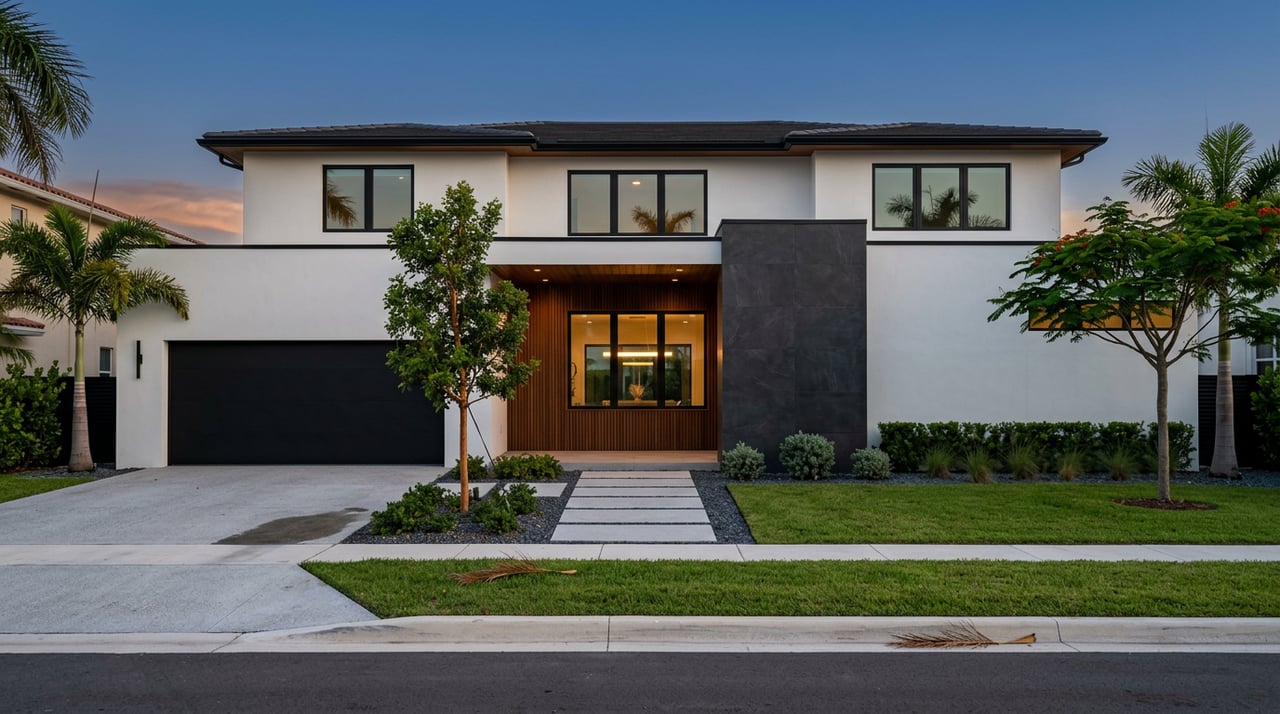
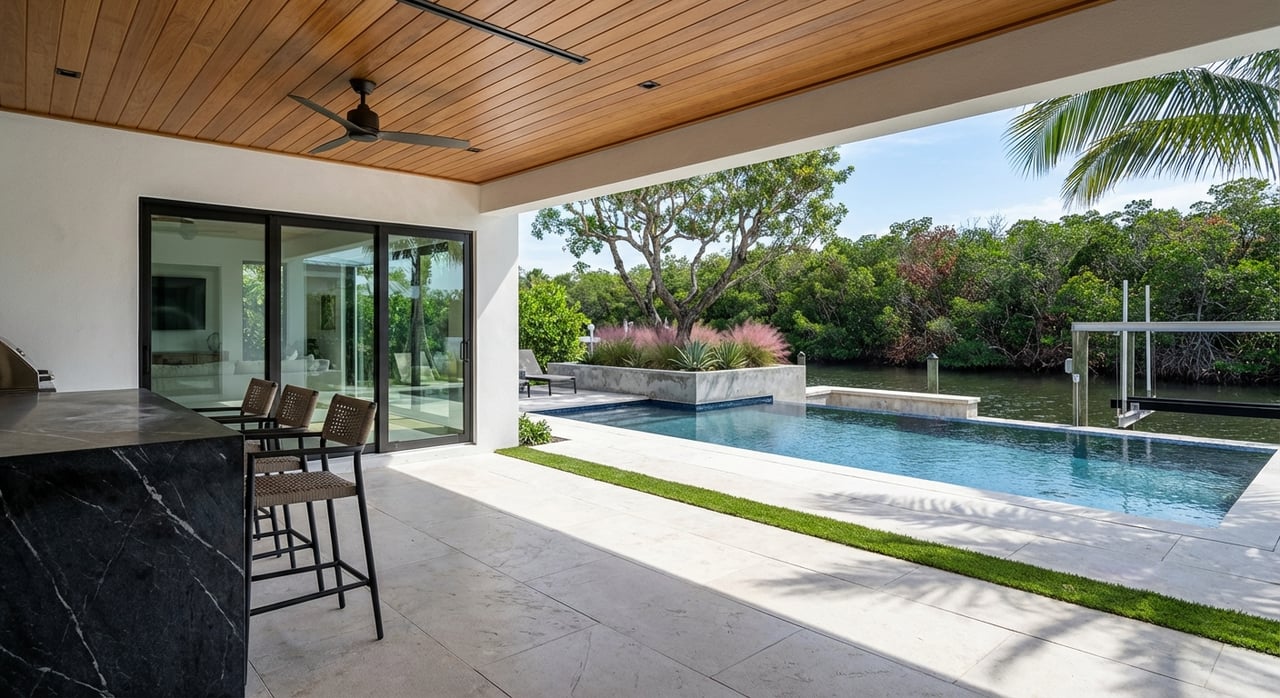
Single‑family homes offer your own yard, a possible private pool, and more privacy. You can often expand or remodel more freely. You handle roof, landscaping, and systems, which means more responsibility but greater control. This setup can be ideal if you host, garden, or want room for hobbies and pets.
Condos often come with a lower purchase price in the same submarket, while single‑family homes usually cost more up front. But your monthly picture matters most. Condos add a recurring association fee that bundles services. Single‑family homes separate those costs into maintenance, utilities, and insurance. In either case, be sure to include mortgage, property taxes, insurance, any flood policy, utilities, and routine upkeep in your budget.
Condo fees in South Florida vary widely. Amenity‑rich or oceanfront buildings can carry higher dues. Those fees can make a condo with a lower purchase price cost more per month than you expect. Associations may levy special assessments for major work when reserves fall short. Salt air and humidity accelerate wear on exteriors, so reserve health is critical. Single‑family owners avoid association assessments unless the home is in an HOA, but they pay directly for big repairs like roof replacement.
Condos may require application, move‑in, or transfer fees and association approval. Lenders will review association documents. Single‑family purchases usually involve fewer association approvals, though some communities have HOA transfer fees.
Associations typically maintain the exterior, roof, common systems like elevators, and landscaping. You are responsible for your interiors and sometimes limited elements like balconies or windows, depending on governing documents. In older buildings, recent structural inspections, reserve studies, and repair history are must‑read items. South Florida’s climate makes preventive maintenance and reserves more important.
You handle the entire structure and the lot. Coastal exposure can mean more frequent exterior care, especially for homes near the beach or intracoastal. Factor in routine items like HVAC service, pool care, pest control, irrigation, and roof maintenance. The tradeoff is freedom to choose contractors, set timelines, and customize.
Both property types face hurricane risk. In many condo buildings, the association carries a master policy for common elements, while you maintain an HO‑6 policy for your unit interior and personal property. Single‑family homeowners typically carry a standard homeowner policy that includes wind coverage, subject to deductibles. Understand hurricane deductibles and how claims history can affect premiums.
Parts of Boca Raton fall in higher‑risk flood zones. If a property is in a mapped Special Flood Hazard Area and you use a federally backed mortgage, flood insurance may be required. Some condo associations carry master flood policies for common areas. Owners often still need interior coverage. For single‑family homes, you would carry your own flood policy if needed. Always confirm what the association covers versus what you must insure.
After the 2021 Surfside collapse, Florida increased scrutiny on condominium safety, reserve funding, and disclosures. Expect more attention to structural inspections, reserve studies, and association financials. These changes can improve safety and transparency, but they can also affect dues and assessments. Review documents carefully before committing.
Lenders often require a condominium project to meet specific underwriting standards. High investor ownership, pending litigation, aging buildings, or thin reserves can limit loan options or raise rates. If you plan to use FHA or VA financing, verify the project’s approval status early.
With single‑family homes, financing focuses mostly on you and the property itself. There are typically fewer project‑level hurdles. Pre‑approval still matters, and property condition, insurance, and flood risk can influence underwriting and total monthly costs.
Condos in Boca appeal strongly to retirees, seasonal buyers, and second‑home owners who want low maintenance and amenities. Walkable downtown and beachfront buildings can draw steady interest. Single‑family homes often attract families and long‑term residents who value space and privacy.
Condo values can be sensitive to building‑specific issues like special assessments, litigation, and structural work. Healthy reserves and recent inspections support resale. Single‑family homes often appeal to a broader buyer pool, though location, lot size, and condition still drive results.
Choosing between a condo and a single‑family home in Boca Raton is about aligning lifestyle, risk, and long‑term costs. A seasoned local advisor can help you compare total monthly scenarios, review association documents, and coordinate inspections and insurance quotes so you can buy with confidence. If you are weighing options, connect with Lisa Cheponis for a focused, private consultation and a clear plan tailored to your goals.
Stay up to date on the latest real estate trends.




Ready to get what matters most to you in real estate? Helping you do so is Lisa’s true passion. With her expertise, tenacity, and devotion to your goals and dreams, you can experience the success you deserve. Reach out. Talk with Lisa. If it’s a good fit, you can be on your way to getting what matters most to you.