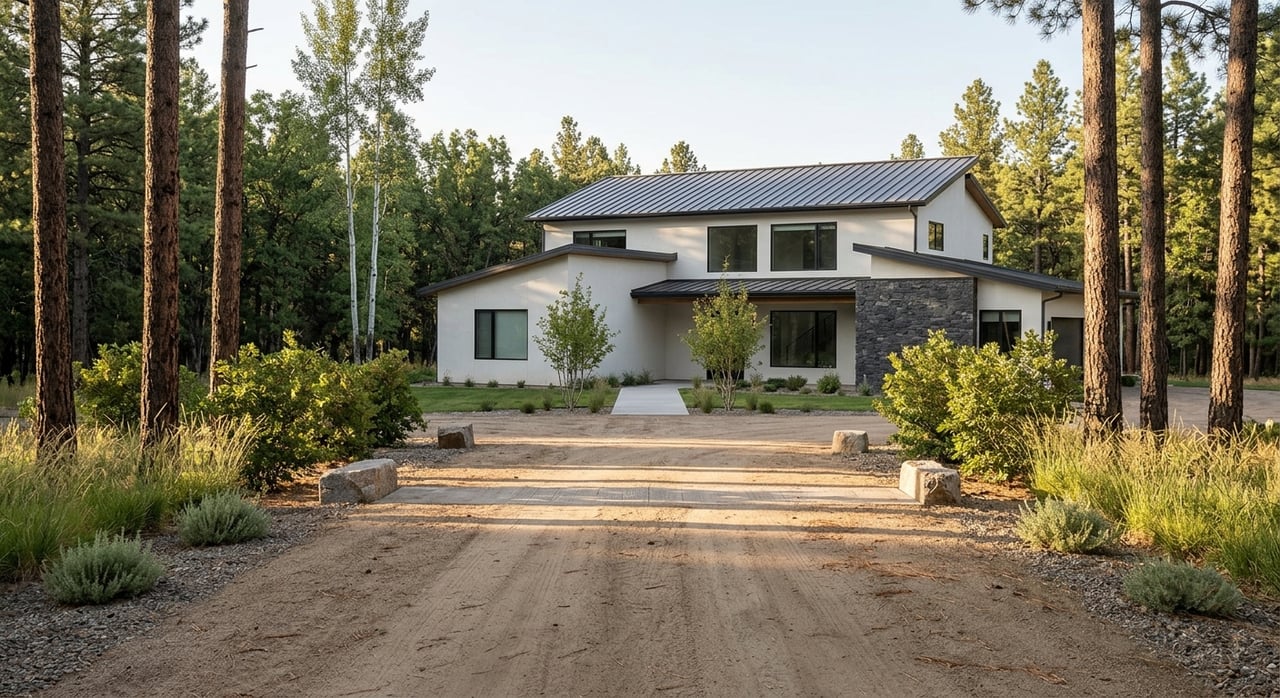
How to Sell Land in Black Forest Colorado
If you are selling acreage or land in Black Forest, you are not just selling dirt. You are selling privacy, potential, access, and a vision for what the property can become. That can feel complex, especially when buyers start asking about easements, wells, septic records, wildfire mitigation, and whether the parcel is truly buildable. This guide will help you understand what matters most, how to prepare your property for market, and how to position it clearly from day one. Let’s dive in.
Black Forest acreage often appeals to buyers who want more than a standard homesite. Many are drawn to the area for trees, open space, privacy, and room to build a custom property or hold land for future use. Local park and open-space assets, including Black Forest Regional Park, Black Forest Section 16, and Pineries Open Space, reinforce that lifestyle-driven appeal.
That means buyers are often evaluating a parcel based on what it can support, not just how it looks today. A beautiful treed lot may still raise concerns if access is unclear, the buildable area is limited, or key records are missing. In Black Forest, value is tied to usability as much as scenery.
Before a buyer falls in love with the setting, they usually want answers about feasibility. In unincorporated El Paso County, land is treated as a regulated development product, so practical details can carry as much weight as acreage count.
Most buyers want to know:
When you can answer those questions early, your property tends to feel more credible and easier to evaluate.
One of the biggest pricing and marketing factors for Black Forest land is access. El Paso County requires legal and physical access by public rights-of-way or recorded easements that are acceptable to the county. If the property does not have straightforward access, buyer interest may narrow quickly.
Driveway access matters too. If a driveway connects to a county road, an approved driveway permit is required. What seems like a small detail can become a major cost, timing, and negotiation issue if it has not been addressed.
If your parcel depends on a private road or may need road upgrades, it is wise to treat that as a serious part of the sale story. County guidance notes that road conversion work may involve a surveyor, engineer, geotechnical work, environmental screening, and support from affected owners.
Road-impact fees can also apply to new uses or structures in unincorporated areas. For sellers, this means a buyer may factor future road-related obligations into the offer price. Clear documentation helps prevent surprises later.
A five-acre parcel and another five-acre parcel may not carry the same value. Buyers and builders look closely at how much of the land is actually usable and whether the lot layout supports the intended use.
El Paso County code says lots using onsite wastewater treatment systems need at least 2.5 acres and 1 acre of buildable area. Buildable area cannot be located in easements unless the easement holder approves it. Frontage and access standards also apply to new lots, and flag lots are limited.
That is why acreage alone rarely tells the full story. A parcel with better access, a cleaner building envelope, and more complete records may attract stronger interest than a larger parcel with unresolved constraints.
Raw land should be marketed with facts, not just photos. Scenic images are important, but serious buyers usually want to see documents that support the parcel’s potential.
A strong pre-listing package for raw acreage often includes:
This type of package aligns with the kinds of materials county application checklists often require, including water-supply information, OWTS materials, drainage reports, soils and geology items, and site plans. The better prepared you are, the easier it is for a buyer to assess risk.
If your Black Forest property already has improvements, buyers will still want documentation. In many cases, improved acreage should be positioned as a records-backed property with a clear paper trail.
For properties with wells, El Paso County Public Health states that private wells are the owner’s responsibility to test periodically and are not government-monitored under the Safe Drinking Water Act. In a real estate sale, the lender determines what testing is required, and the state Division of Water Resources may have well-permit files with allowable uses and construction or pump records.
For properties served by septic or another onsite wastewater treatment system, records matter just as much. El Paso County Public Health regulates OWTS, maintains online records, and provides a list of certified transfer-of-title inspectors for property sales. Missing records can quickly become a point of concern during negotiations.
In Black Forest, wildfire mitigation is not a side note. It is a major part of how buyers assess property readiness, future costs, and overall risk.
El Paso County’s wildfire standards apply to development applications and permits in unincorporated areas and to forested or mapped wildfire-hazard lands. The code highlights measures such as Class A roof coverings, separation between main and accessory structures, approved vehicular access, and mitigation on vegetated slopes.
If your property has had thinning, cleanup, or fuel reduction work completed, that can support a stronger presentation. The Black Forest Slash-Mulch program is one local example of a practical wildfire-mitigation and recycling resource tied to the area.
County planning resources also reference wildfire resiliency requirements and the use of qualified professionals for hazard mitigation plans. If a parcel’s future use will likely require wildfire-related review, having early guidance can help you market the property more accurately.
Many Black Forest acreage sales involve estates, trusts, or multiple owners. These transactions often benefit from more preparation on the front end, especially if title, authority, or old property records are unclear.
County affidavit forms must be signed and notarized by all property owners listed on title. That makes early coordination with a title company and any estate professional especially important. If you are an executor or trustee, gathering authority documents and property records before listing can save time and reduce stress later.
If you are preparing an estate or trust-owned parcel for sale, try to gather:
A complete file supports a smoother buyer review process and can help reduce repeated follow-up requests.
Pricing acreage in Black Forest requires more than multiplying a price by the acre. The El Paso County Assessor notes that vacant, improved, and agricultural land are valued based on sales and property characteristics, and that agricultural classification depends on actual use rather than zoning alone.
That matters because buyers are comparing more than size. They are weighing access, records, terrain, tree density, utility path, wildfire considerations, and likely development costs. A disciplined pricing strategy should reflect those parcel-specific factors.
The best land listings answer key questions before buyers have to ask them. That does not mean every issue must be fully solved before going to market, but it does mean the property should be presented with clarity.
A thoughtful strategy usually includes accurate positioning, a complete records package, a realistic explanation of constraints, and marketing that speaks to the right buyer type. In Black Forest, that buyer might be an end user seeking a custom homesite, a builder reviewing feasibility, or an estate buyer looking for long-term value.
When the presentation is precise and well supported, negotiations often become more productive. Buyers can focus on opportunity instead of uncertainty.
Selling Black Forest land well takes more than exposure alone. It takes preparation, local context, and a clear understanding of what informed buyers will examine first. If you want a discreet, well-planned approach to marketing acreage, land, or a complex property in the Colorado Springs area, schedule a private consultation with Lisa Cheponis.
Stay up to date on the latest real estate trends.








Ready to get what matters most to you in real estate? Helping you do so is Lisa’s true passion. With her expertise, tenacity, and devotion to your goals and dreams, you can experience the success you deserve. Reach out. Talk with Lisa. If it’s a good fit, you can be on your way to getting what matters most to you.