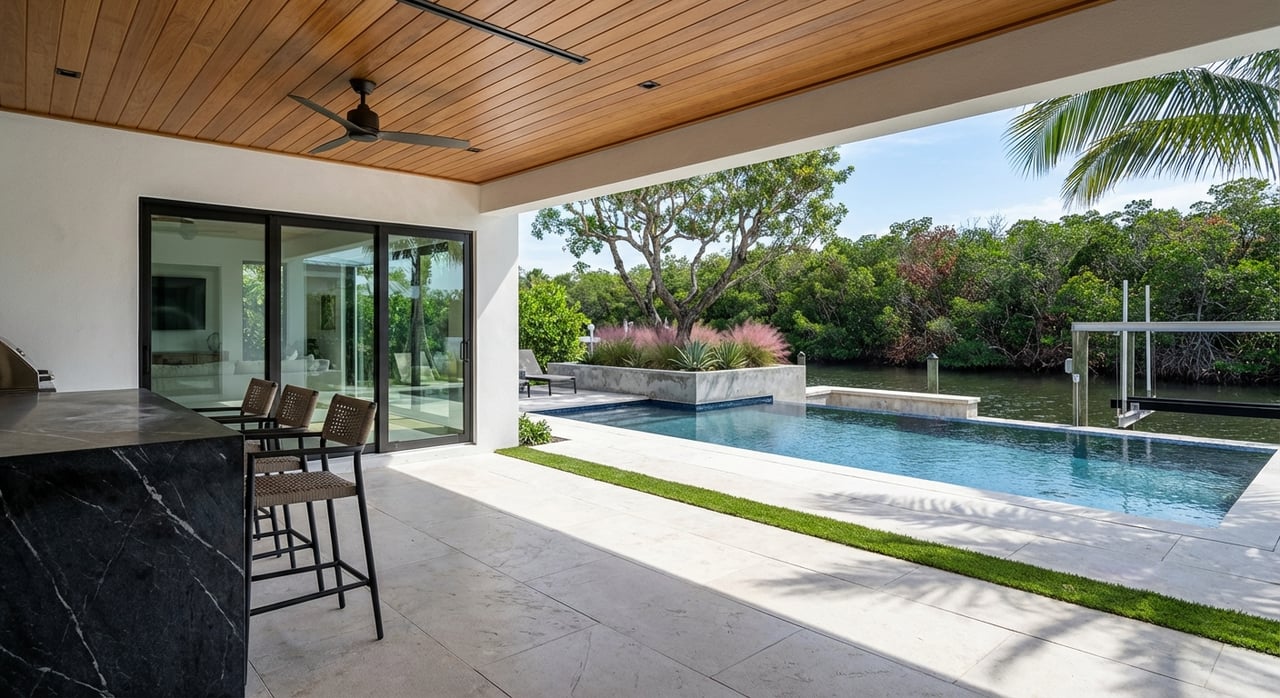
Choosing Between Jupiter Waterfront and Inland Homes
Torn between sunrise-on-the-water living and the quiet comfort of a gated golf community in Jupiter? You are not alone. Many seasonal residents and relocators weigh dockside convenience against low-maintenance inland ease. This guide breaks down lifestyle, costs, flood and insurance factors, and rental rules so you can choose with confidence. Let’s dive in.
Jupiter sits in a mid-to-upper price tier for South Florida. Recent reports show a citywide median sale price around $625,000, but that figure blends condos and single-family homes across many submarkets. Direct waterfront homes and small coastal enclaves commonly trade in the multi-million dollar range. Inventory and pricing change quickly, so set your search with clear budget bands and must-have features.
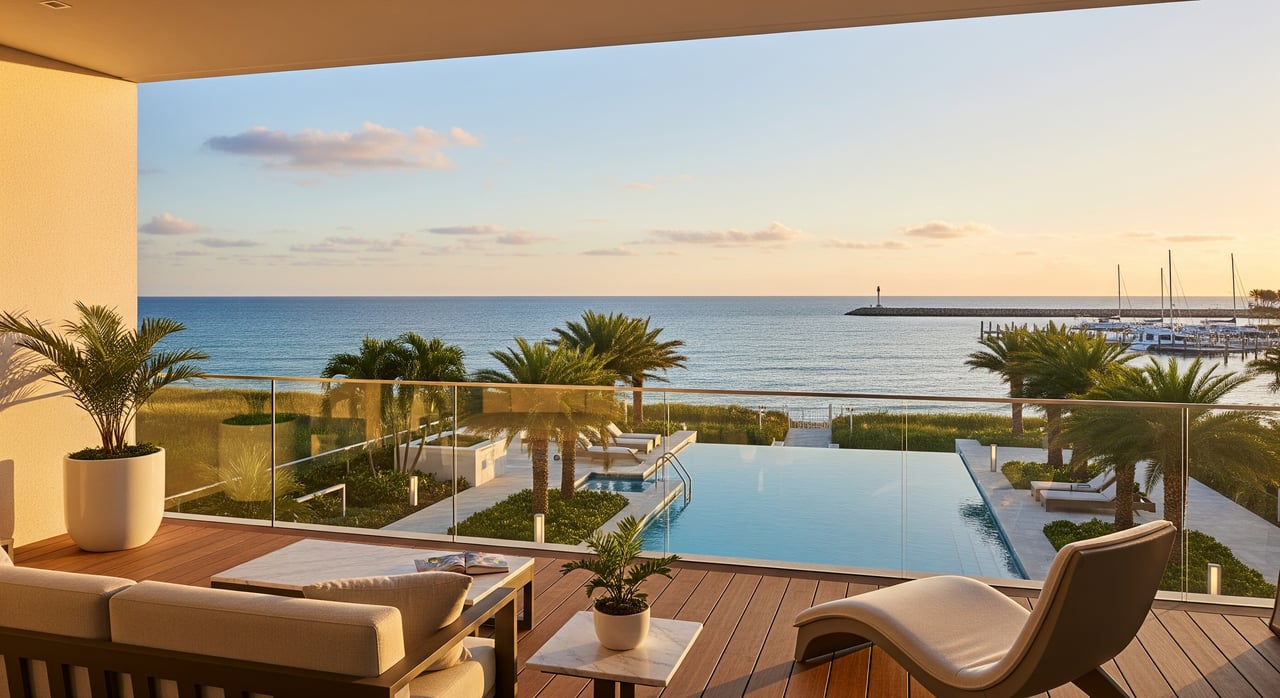
Waterfront living puts you close to boating, fishing, and beach energy. Many canal and Intracoastal properties have private docks or nearby marina access, and select areas offer quick runs to the inlet with no fixed-bridge limitations. Morning views and evening breezes are daily perks.
There are tradeoffs. Salt air increases exterior wear, and dock, lift, and seawall upkeep add line items to your budget. Some lots carry higher flood exposure, which can affect insurance eligibility and price. If the property sits in a Special Flood Hazard Area, lenders typically require flood insurance. For background on how flood coverage works and why lenders require it in certain zones, review the National Flood Insurance Program overview on FEMA’s agent resource.
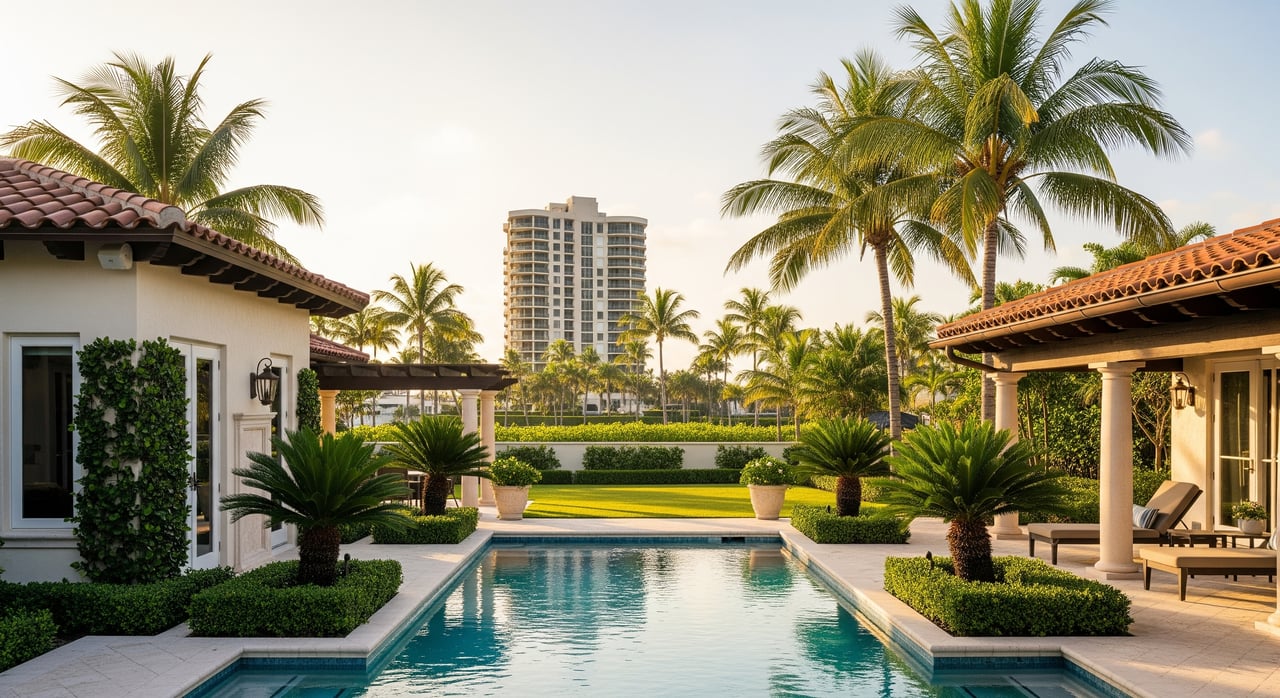
Inland communities often deliver larger yard space, club amenities, and gate-controlled access. If you prefer golf, wellness facilities, and a quieter residential feel, these neighborhoods can be a good fit. They may still include canals or on-site marinas, so you can balance boating with club life. For a sense of why Jupiter draws a wide range of luxury buyers seeking both water and club lifestyles, see this regional perspective from the Wall Street Journal.
The tradeoffs include membership costs on top of HOA dues in some communities, less immediate beach access, and more restrictive rental policies. If you plan seasonal stays with guest visits or occasional rentals, confirm community rules in advance.
Palm Beach County property tax bills combine county, school, municipal, and special-district millages. Your final amount depends on the property’s location and any exemptions. If you plan to offer short-term rentals, add county and state transient tax compliance to your to-do list. The county’s registration and filing steps are outlined on the Palm Beach County Tourist Development Tax page.
HOA or condo dues vary widely. Waterfront condos may carry higher master-policy insurance and amenity costs. Gated and golf communities can include HOA dues plus separate club initiation and monthly charges. Request current budgets, reserve balances, and fee schedules to gauge total monthly cost.
Florida’s homeowner and wind market saw signs of stabilization in 2025, but premiums remain elevated compared to national averages and vary by location and building characteristics. For a current statewide snapshot and carrier context, review this report from Insurance Journal.
Flood insurance is a separate policy from your homeowner coverage. Lenders generally require it for mortgages on properties in FEMA Special Flood Hazard Areas. NFIP policies typically have a 30-day waiting period before coverage begins, and private flood options may be available with different terms. Learn the fundamentals on FEMA’s flood insurance resource and plan time to gather address-specific quotes during your inspection period.
Florida policies often include a percentage-based hurricane or wind deductible. A 2 to 5 percent deductible is common. This percentage applies to your dwelling coverage limit, not the claim size. For example, with $1,000,000 in dwelling coverage and a 2 percent hurricane deductible, your out-of-pocket share after a named storm would be $20,000 before coverage applies. For definitions and consumer guidance, see the NAIC’s hurricane deductible explainer.
Waterfront properties bring additional upkeep. Seawall repairs or replacement, dock work, and lift service are recurring realities. Contractor guidance shows seawall projects can range from the hundreds to low-thousands of dollars per linear foot based on materials, access, and permit needs. Use this as a planning reference and secure local bids for accuracy. A helpful primer is available from a Florida marine contractor on typical seawall costs.
Tip: Build a contingency of 10 to 20 percent into your annual maintenance plan to handle storm-related spikes or unexpected repairs.
FEMA’s updated flood maps for Palm Beach County took effect on December 20, 2024. Many parcels saw changes to their flood-zone designations, which can alter mortgage requirements and insurance needs. Always verify a specific address using the FEMA Flood Map Service Center and review any available Elevation Certificate. The Town’s summary of the update is posted on Jupiter’s flood zone information page.
Local governments use regionally unified projections from the Southeast Florida Climate Compact to guide infrastructure and resilience decisions. When you evaluate coastal or low-lying properties, consider long-term nuisance flooding potential, driveway and garage elevations, and resale horizons. You can review the planning basis in the Compact’s sea-level rise projection.
Before you buy, confirm the property’s evacuation zone and plan for seasonal readiness. Evacuation status can affect insurance logistics, personal planning, and short-term rental calendars. Use the state’s tool to know your zone.
For condominium buildings three stories and higher, Florida law requires structural milestone inspections and Structural Integrity Reserve Studies at defined building ages. These rules impact reserves, special-assessment risk, and buyer due diligence. If you are considering a condo, request the milestone report, the SIRS, recent board minutes, insurance declarations, and any engineer proposals. You can review regulatory context and building compliance resources on the state’s DBPR portal.
Jupiter’s high season typically runs December through April, with strong demand for well-located properties and premium water or boat access amenities. For a quick market read on average daily rates and occupancy trends, explore third-party analytics such as AirROI’s Jupiter snapshot. Actual performance depends on exact location, size, and amenity set.
Short-term rentals can be viable, but you must confirm the legal and tax steps. Palm Beach County requires Tourist Development Tax registration and filing, and state sales tax may apply. Start with the county’s TDT registration and reporting guide. Municipalities and HOAs may add restrictions, minimum stays, or caps, so verify rules before modeling revenue.
Build your pro forma with conservative occupancy outside peak months. Net out management, platform, cleaning, utilities, and higher insurance. Add county and state taxes, HOA or condo fees, and any club dues if applicable. If a property relies on a dock or lift to attract guests, factor in marine maintenance and storm contingencies.
Use this list when comparing waterfront and inland options in Jupiter:
Ready to weigh your short list or build a smarter plan for inspections and insurance quotes? Schedule a private, confidential conversation with Lisa Cheponis to map your next steps in Jupiter.
Stay up to date on the latest real estate trends.



Ready to get what matters most to you in real estate? Helping you do so is Lisa’s true passion. With her expertise, tenacity, and devotion to your goals and dreams, you can experience the success you deserve. Reach out. Talk with Lisa. If it’s a good fit, you can be on your way to getting what matters most to you.