Old North End Colorado Springs Homes and Historic Styles
If you have ever driven through Colorado Springs’ Old North End and wondered why one block feels graceful and formal while the next feels cozy, layered, or quietly dramatic, the answer is simple: this is not a one-style neighborhood. The Old North End is a historic district shaped by decades of growth, changing tastes, and a streetscape that is just as important as the homes themselves. If you are exploring this area as a buyer, seller, or homeowner, understanding the neighborhood’s architectural mix can help you recognize value, ask smarter questions, and appreciate what makes a property truly stand out. Let’s dive in.
The Old North End Historic District sits about one mile north of downtown Colorado Springs and is known for its primarily residential character, broad avenues, and strong historic identity. According to the Old North End Historic District nomination, the district is framed by Monument Valley Park, Uintah Street, the alley between Nevada Avenue and Weber Street, and the Denver and Rio Grande railroad corridor near Lilac Street.
What makes the area memorable is not only the architecture. The district’s character also comes from mature trees, landscaped medians, front setbacks of about 25 feet, rear garages served by alleys, and low fences or stone walls that help define the streetscape. The neighborhood association also highlights the importance of preserving the historic medians, parkways, and canopy trees as part of the area’s identity.
The Old North End is best understood as a layered historic neighborhood rather than a place defined by one signature house type. A major building boom followed the 1891 gold rush, and more than 400 new homes were built here around the turn of the twentieth century. Later infill added even more variety, which is why you may see dramatically different homes on the same street.
Some of the district’s most eye-catching properties fall within the Late Victorian family, including Queen Anne, Italianate, Stick/Eastlake, and Shingle Style homes. These houses often feature irregular rooflines, bays, towers or turrets, bracketed eaves, mixed wall textures, and expansive porches.
For buyers, these homes often make the strongest first impression because their details are so expressive. The district nomination notes that many homes are vernacular but still carry Queen Anne features, while Shingle Style homes may use continuous wood shingles to create a more unified surface over a complex form.
If you prefer symmetry and a more formal exterior, you will likely be drawn to Colonial Revival or Classical Revival homes. These styles are common in the district and often include classical columns, balanced facades, Palladian windows, and hipped or gambrel roofs.
These homes tend to feel more restrained than Victorian-era properties. Instead of layered ornament, the visual focus is often on proportion, entry details, and clean, orderly composition.
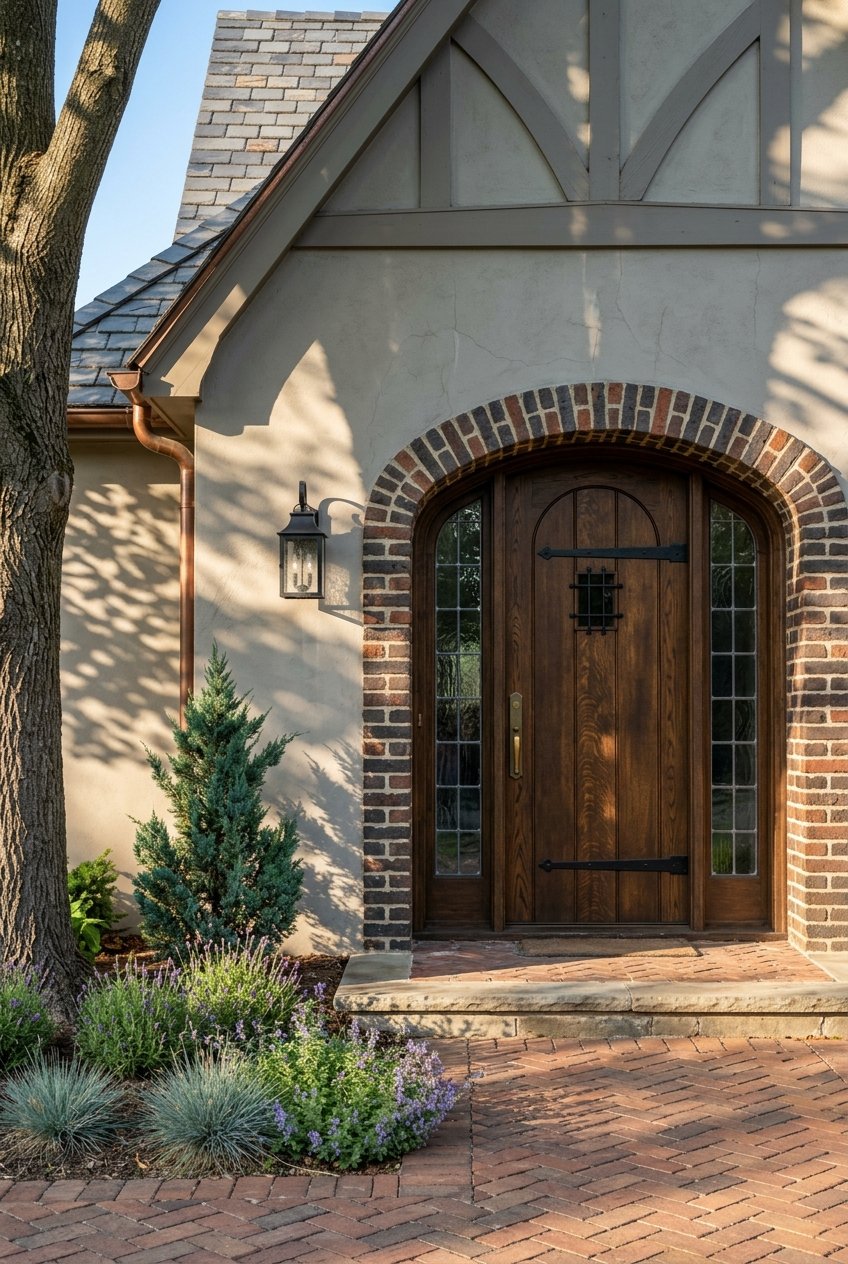
Tudor Revival became especially popular in the Old North End after the turn of the century. These homes often stand out with steep front gables, half-timbering, stucco or masonry walls, and ornate chimneys.
In listings, Tudor homes can feel especially distinctive because of their vertical emphasis and storybook-like rooflines. If you are comparing several historic properties, roof shape and chimney design are often two of the fastest ways to identify this style.
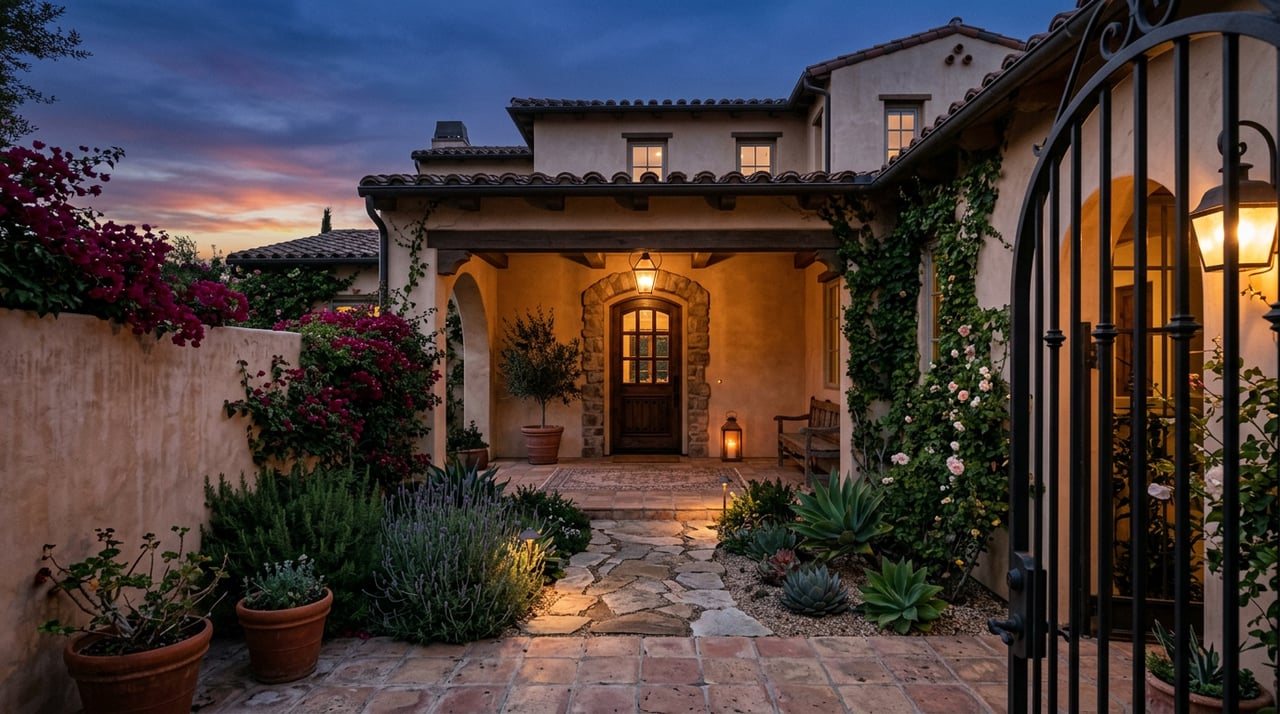
You may also find Mission or Spanish Colonial Revival, Italian Renaissance, and French Renaissance influences throughout the neighborhood. These homes can include stucco walls, arches, tile roofs, and more formal decorative details.
This mix adds to the district’s visual richness. Rather than reading as repetitive, the neighborhood feels collected over time, which is part of its enduring appeal.
Not every historic home in the Old North End is large or highly ornate. The district also includes Prairie School, Craftsman/Bungalow, Minimal Traditional, Ranch, and a few Modern Movement examples.
Many homes from the 1920s and 1930s were cottages and bungalows, while World War II-era and postwar construction introduced simpler Minimal Traditional and Ranch forms. These homes tend to sit lower to the ground and often feature wider eaves, exposed rafter tails or brackets, larger porches, and stronger horizontal lines.
When you are touring homes or reviewing listings, a few exterior features can tell you a great deal. The Old North End Interpretive Guide notes that roof shape, porch form, window configuration, and wall texture are some of the quickest visual clues.
Steep gables, hipped roofs, cross gables, and irregular silhouettes often point to different periods and styles. Tudor Revival homes tend to have steep front-facing gables, while Queen Anne homes may show a more complex and varied roof form.
A large wraparound porch can signal Victorian influence, while a deep, sturdy porch with simple detailing may suggest Craftsman design. In a historic neighborhood like the Old North End, porches do more than add curb appeal. They are often character-defining features.
Window patterns can reveal a lot. The neighborhood guide notes that pre-war homes typically used wood sash and frame windows, Craftsman homes often have upper sashes divided into smaller vertical lights, and Victorian homes may feature smaller decorative multi-pane windows.
Masonry, wood siding, shingles, stucco, and decorative trim all contribute to a home’s visual identity. In many historic properties, the combination of materials is what gives the facade depth and authenticity.
In the Old North End, the house is only part of the story. The relationship between the home and the street also matters, including setback, fencing, landscaping, and alley access.
That means a historic property here often reads differently from an older house in a non-historic setting. The lot pattern, mature canopy, medians, and rear garage access all contribute to the neighborhood’s historic feel and should be part of how you evaluate a home’s appeal.
If you are considering a historic home, it helps to understand how review and maintenance work in Colorado Springs. The city uses Historic Preservation Overlay zoning for designated areas, and according to the Historic Preservation Board review page, exterior modifications, new construction, or demolition within an overlay zone require additional review.
Just as important, National Register listing alone does not automatically trigger local Historic Preservation Board review unless the property is also overlay-zoned. The city also notes that rehabilitation work must comply with the Secretary of the Interior’s Standards for Rehabilitation and may qualify for a Colorado state income tax credit.
For many buyers, this is helpful context rather than a barrier. It simply means you should confirm whether a specific property is overlay-zoned and understand any review process before planning exterior changes.
Historic homes reward attentive upkeep. The National Park Service guidance on historic building exteriors emphasizes that routine and preventive maintenance is the most effective way to slow deterioration and is usually less costly than replacing historic features.
For owners, the biggest priorities are usually practical ones:
The same guidance warns against sandblasting, hard waterproof coatings, and other treatments that can damage historic materials. In a neighborhood like the Old North End, preserving original trim, porches, masonry, and windows often protects both character and long-term value.
Windows are one of the most common concerns for buyers looking at older homes. It is easy to assume replacement is the default, but that is not what preservation guidance recommends.
The National Park Service’s guidance on wood windows explains that wood windows were standard on historic homes and that damaged parts are often repairable. The Old North End guide takes a similar approach, recommending preservation and repair first, with replacement only when a window is too deteriorated to save.
That matters because original windows do more than admit light. They help define proportion, texture, and style, especially on Queen Anne, Craftsman, and other pre-war homes.
It can also help to place the Old North End in a broader Colorado Springs context. Downtown Colorado Springs contains a wide range of historic resources tied to commerce, government, religion, culture, education, housing, and lodging, as shown in the city’s historic districts virtual resources and downtown walking tour.
Downtown is more commercially and institutionally layered, while the Old North End is primarily residential. Still, both areas share a useful visual vocabulary: roofline, ornament, window pattern, and material. If you understand those basics, you can read a historic property with much more confidence.
When you understand style, setting, and preservation context, you can evaluate Old North End homes more clearly. As a buyer, you can better distinguish authentic character from cosmetic updates. As a seller, you can present your home in a way that highlights the features that matter most to historic-home buyers.
In a neighborhood where architectural detail, lot placement, and streetscape all shape value, experience matters. If you are considering buying or selling in the Old North End, Lisa Cheponis offers a discreet, high-touch approach designed to help you navigate distinctive properties with clarity and confidence.
Stay up to date on the latest real estate trends.

Ready to get what matters most to you in real estate? Helping you do so is Lisa’s true passion. With her expertise, tenacity, and devotion to your goals and dreams, you can experience the success you deserve. Reach out. Talk with Lisa. If it’s a good fit, you can be on your way to getting what matters most to you.